At 160 miles an hour, a software bug becomes a fairly physical problem.
Eric Berndt’s public profile describes racing autonomous IndyCars as a robotics researcher at Berkeley. Now he’s building Tensr with Adith Sundram and C.K. Wolfe.
The next problem they’ve chosen is the factory itself.
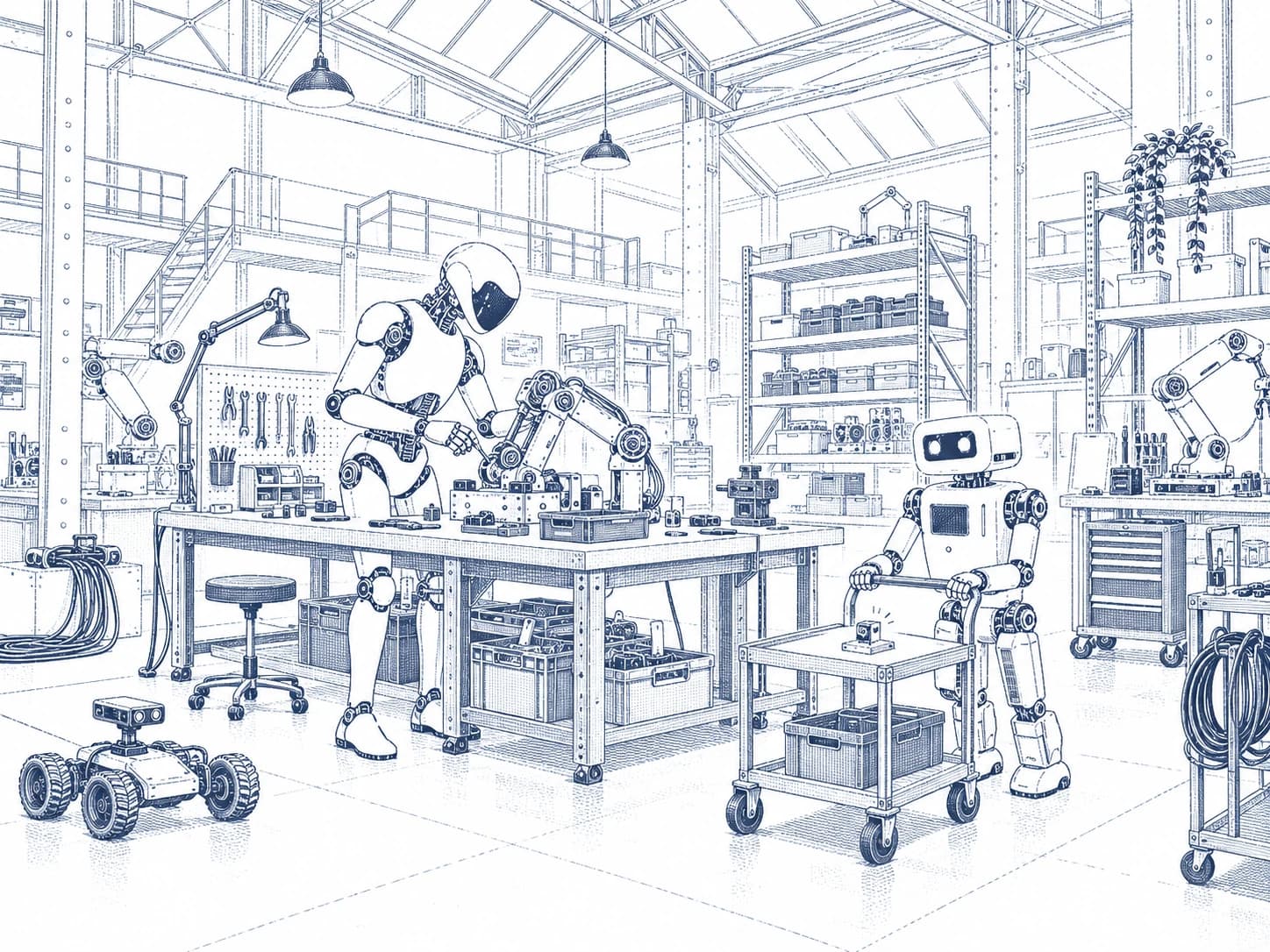
Tensr says it operates a 12,000-square-foot facility in the Bay Area manufacturing robots for customers. Its longer-term goal is to automate more of the path from a new order to production.
That is a useful place to put an ambitious robotics team. Every robot company eventually has to confront the awkward difference between building one machine and delivering a batch that works.
Parts have to arrive. Assemblies need to be consistent. A design revision has to make it onto the floor without turning everyone’s week into a complete fucking mess.
We like that Berndt and his co-founders have put those problems at the centre of the company. A factory serving other hardware teams has a reason to learn from more than one product and more than one customer’s mistakes.
Whether those lessons can become reusable automation is the big question. Manufacturing different things can also mean absorbing a fresh set of complications with every order.
So we’re watching for repeatability. Does the next build get easier? Do changeovers improve? Can the team take on new work without starting the whole process again?
Those are less exciting questions than how fast an autonomous race car can go.
They might be the questions that decide how many useful robots get built.
Berndt has gone from pushing a machine around a track to trying to change the place machines come from.
That’s a hell of a second act to attempt.
Budera Founder Files. The people building before the rest of us know what to call it.